Table of Contents
Sant Carles de Peralta, 7 January 2025
People in Ibiza ate a kilo of bread a day in the 1960s – not out of pleasure, but out of necessity. Today, nutritionists would throw their hands up in horror. But those loaves contained something we can no longer find on supermarket shelves: a connection between field, kitchen, and family table that had grown over centuries – and disappeared in just twenty years.
Saturday was baking day. Families lit their wood-fired ovens, kneaded dough from their own wheat, and filled their homes with the scent of fresh bread. It wasn't an Instagram moment, no lifestyle statement – it was everyday life. An everyday rhythm the island had known since Phoenician times: sow, harvest, mill, bake. Generation after generation.
Then tourism arrived.
Within a few years, farmers exchanged their sickles for bus keys. Fields lay fallow, wood-fired ovens went cold. Why laboriously grow wheat when you could buy it at the supermarket? Why spend hours baking bread when it arrived at your door, plastic-wrapped and pre-sliced? Progress tasted of toast and smelled of efficiency.
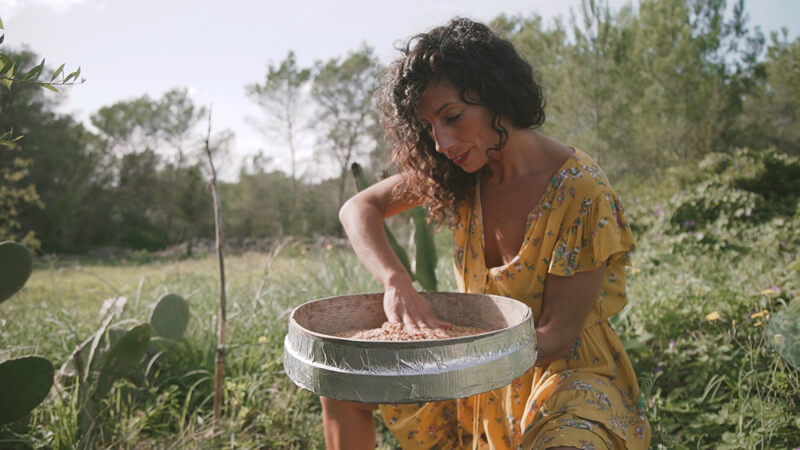
Fifty years later, Cristina stands in an overgrown field, holding a handful of wheat seeds in her hand. Xeixa, this variety is called in Eivissenc – a soft wheat that has grown on the island for three thousand years. Or had grown. Because when she begins searching for it in 2013, there is only one person left who possesses these seeds.
He feeds them to his chickens.
The Woman Who Won't Give Up
Cristina first came to Ibiza over twenty years ago. From the fashion world in the Basque Country, searching for a quieter life. What she found was an island that had forgotten its own history. Carob trees grew everywhere – no one harvested them. Almonds, oranges, lemons rotted in the fields. The supermarkets sold Italian carob flour at premium prices whilst the Ibizan fruit lay on the ground.
"When I started in 2012, nobody wanted local products," Cristina recalls. "Neither the Ibizans nor the tourists. There simply wasn't any information left."
The paradox was perfect: carob and sweet potatoes – for centuries staple foods of the island – were suddenly considered poverty food, animal feed, a reminder of hunger during the Civil War. The generation that grew up after the war wanted nothing to do with it. For them, Milka and Suchard meant progress, prosperity, modernity.
"For them, carob was synonymous with poverty," Cristina says. "They'd eaten their fill of it during the war. They never wanted to see it again."
Yet whilst the Ibizans ignored their carob trees, mainland Spaniards and Northern Europeans suddenly discovered the health benefits: full of iron, naturally sweet, gluten-free. In health food shops, a kilo cost 85 euros. From Italy.
Cristina founded Raíces de Ibiza – Roots of Ibiza – with a simple mission: rediscover local products before they disappear forever. She began baking with carob, making cakes and bread, distributing flyers at markets. People looked at her incredulously. What on earth could you do with carob?
"In the beginning, it was very difficult," she says. "If people don't want to consume it, you can't produce it. And if nobody produces it, people don't know they can consume it. That's the cycle."
The Seeds of the Phoenicians
Then she heard about the wheat seeds. About an ancient variety called xeixa – blat xeixa in Catalan – that had grown on nearly every finca until the 1970s. A soft wheat, perfect for bread-making, rain-fed and therefore ideal for the island. But nobody grew it anymore.
"I asked around: where are these seeds? And people told me there's only one man left who has them. An agronomist called Cristòfol."
The telephone conversation was surreal. Yes, he had the seeds. No, you couldn't do anything with them. The wheat had too little gluten, you couldn't make bread from it. What did he use the seeds for? Feeding his chickens.
Cristina bought five kilos, drove home, milled the grain in her own mill – "I'm a geek, I've always had a mill at home" – and baked bread. It worked. Of course it worked. After all, the Ibizans had been doing it for centuries.
She brought Cristòfol the bread. "Don't feed the chickens with this," she said. "You've got an incredible seed here."
He sold her 25 kilos of seed. Enough for one hectare. In December 2013, Cristina sowed xeixa for the first time. In the field below, she sowed spelt from Denmark for comparison – the wheat everyone wanted because it was fashionable.
Six months later, in August, she stood before her field and could hardly believe it. The Danish spelt had remained stunted. But the xeixa field? Full of golden ears, ready for harvest. A hectare full of living history.
50 Degrees and No Help
Now she just needed a combine harvester. On the entire island, there were only three. She rang them all.
None of them would come.
"I told them: I've got ancient, native wheat here, your seeds from the 1960s. I'm restoring something that belongs to you." Nothing. The farmers had no time. The cooperative declined. "I was young, I was a woman, and I wasn't from here," Cristina says. "If I'd been an older man from the island, there wouldn't have been a problem."
She went to the Consell de Ibiza, to the island government's agriculture department, knocked on the director's door. "I've got a hectare of your ancient wheat to harvest here. It's a local product, it's your history."
The response? "That doesn't interest me."
Outside, the thermometer climbed to 50 degrees. At the end of August, the rain would come – and destroy the entire harvest. Cristina had no choice. She got hold of a strimmer.
"In August, at 50 degrees, I harvested by hand with two helpers. We loaded the straw and wheat into a van and drove it to the mountains of Sant Joan, where there was still an old combine harvester without an MOT. That's how I saved the seeds."
From 25 kilos of seed came a 400-kilo harvest. "It was like magic," she says.
She began selling xeixa bread at the Sant Joan market. Nobody wanted it. Everyone wanted spelt. From Denmark. So she made flyers, told the story, explained what xeixa is: a three-thousand-year-old legacy of the Phoenicians, a rain-fed wheat that once nourished the island.
Slowly, very slowly, it began to work.
The Moment Everything Shifted
Sometime between 2012 and 2015, something peculiar happened. People began asking questions. Where does my food come from? What am I actually eating? Why am I constantly tired even though I'm eating "modern" food?
"There was a shift in consumer behaviour," Cristina says. "People suddenly wanted to know what they were eating. They wanted to eat naturally, healthily. And they discovered that local products don't mean poverty – they mean quality."
The first people to buy her xeixa bread were tourists. They read the flyers, found the story fascinating, took the bread home with them. Then came the chefs. Then the young Ibizans. And suddenly – five, six years after her first hand-harvest – Cristina saw xeixa bread in a shop in Ibiza Town. With a flyer. Her flyer. From another baker.
Her first impulse: anger. "I thought: that's my idea! I built all this up!"
Then she rang Cristòfol, the man with the chickens. "He said to me: Cristina, calm down. Didn't you want xeixa to be grown on Ibiza again? Now it's being grown. It doesn't matter whether it's you, me, or someone else. The seed is saved."
He was right.
A week later, she opened the newspaper. Front page: "The Consell de Ibiza saves ancient xeixa wheat seeds and collaborates with bakeries." With a photo. With quotes from the agriculture director.
Cristina laughs about it today. "At first I thought: how can you do this? I came to you six years ago and you said it didn't interest you! But Cristòfol was right. It's not about me. It's about the seed surviving."
A New Generation
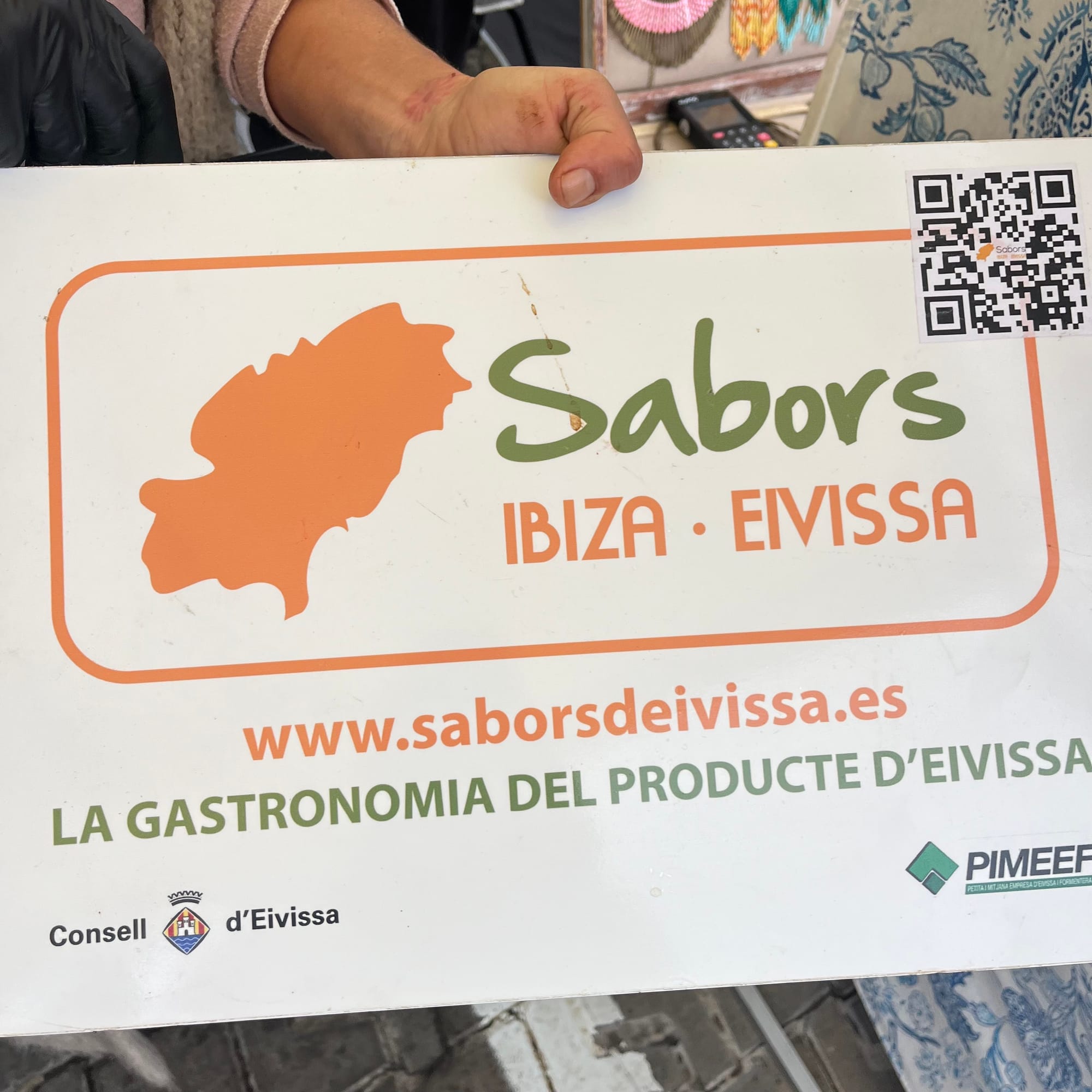
Today, Cristina is part of Sabors de Eivissa, a group of local producers supported by the Consell. She gives cooking workshops for children, explains to them what carob is. She gives talks – including a TEDx talk in Dalt Vila about food sovereignty. The Consell books her for events, pays her for her work during harvest season.
"Has the relationship with the Consell improved?" I ask.
"Very much," she says. "But I had to fight. I had to say: please, help me. Or do you want me to stop growing wheat? I didn't need money – I needed recognition. For someone to say: yes, Cristina actually grows grain on Ibiza. This is real, this is important."
Today, ancient varieties are growing on Ibiza again. Not just xeixa, but also forgotten melons, watermelons, the red potato of Ibiza. Young farmers – many of them newcomers like Cristina – are rediscovering seeds their grandparents still knew. The cycle closes
Younger farmers also returned to cultivate the fields, more so than young people in northern Europe. Simply add to the young Ibizans.
They have also done a great job (‘Sa Reminyola’, Cana Carla, Can Puvil, Ses Cabretes).
But it remains fragile. "If people don't consume it, everything disappears again," Cristina says. "If nobody buys carob, nobody will harvest carob. If nobody eats xeixa bread, nobody will grow xeixa. It's that simple."
What Remains
When I ask Cristina what we can learn from the pre-tourism era, she becomes very clear: "It's not about saying that everything was better before. Life in the countryside was hard. Very hard. I understand why people in the 1970s preferred to work in hotels rather than in the fields."
But: "We gave up something we shouldn't have given up: the knowledge. The taste. The connection between what we eat and the place where we live."
She tells me about older Ibizans, 70 or 80 years old, who come to her and buy xeixa bread. "For them, it's emotional. They remember the smell, the Saturday baking days with the family. Sometimes they cry."
The scent of freshly baked xeixa bread from the wood-fired oven – for the generation that still knows it, it's more than just a smell. It's a time machine. "They tell me: it smells exactly like it used to," Cristina recounts. "The smoke from the wood fire, the aroma of the dough as it rises. You can't describe it, you have to have experienced it."
But it wasn't just the scent. It was the ritual itself. On Saturdays, the family came together – grandparents, parents, children. The oven was lit early in the morning. Whilst the wood burned down, the women kneaded the dough together. The children were allowed to help, shape small loaves, flour on their hands. People talked, laughed, perhaps argued. But they were together.
"It was an event," Cristina says. "No television, no mobile phone, no distraction. Just people, fire, and bread. The whole family was involved, everyone had their task. The old passed on their knowledge, the children learnt through watching and participating."
Four, five hours such a baking day lasted. Time that today would be called "wasted". But what happened during this time cannot be replicated in any app: stories were told, family recipes passed down, bonds strengthened. The bread that finally came out of the oven wasn't just nourishment – it was the physical product of shared labour.
"Today, families sit in front of the television eating ready meals," Cristina says. "Everyone on their mobile. Nobody knows anymore where the food comes from, how to make it, what stories are connected to it."
People who are 30 or 40 today? "They don't know this. For them, xeixa is just bread. They have no memory of the scent, of the community, of doing things together. Their parents didn't pass on this experience to them because they themselves were already shopping at the supermarket."
It's a window that's closing. There are still people who remember what a wood-fired oven smells like when xeixa bread bakes in it. There's still the knowledge of how to grow rain-fed wheat, how to process carob, how to produce on barren fields without irrigation. There are still people who remember Saturdays when Netflix wasn't running, but the oven was burning.
"In twenty years," Cristina says, "nobody will be left who remembers. Then we'll be the old ones telling the young: this is how it once was. This is how it smelled. This is what it felt like when a family created something together."
Will the young listen then? That depends on whether they can taste what we're talking about. And whether they understand that some things – a shared baking day, the scent of wood fire and fresh bread, knowledge passed from generation to generation – cannot be replaced by efficiency.
Not even by a kilo of toast from the supermarket.
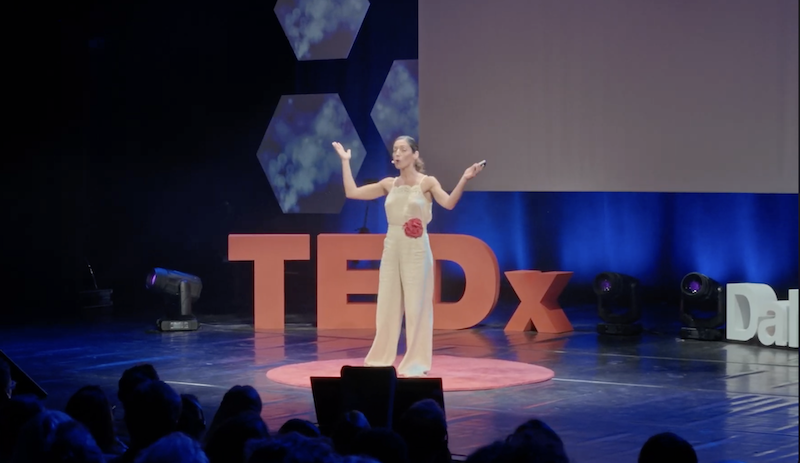
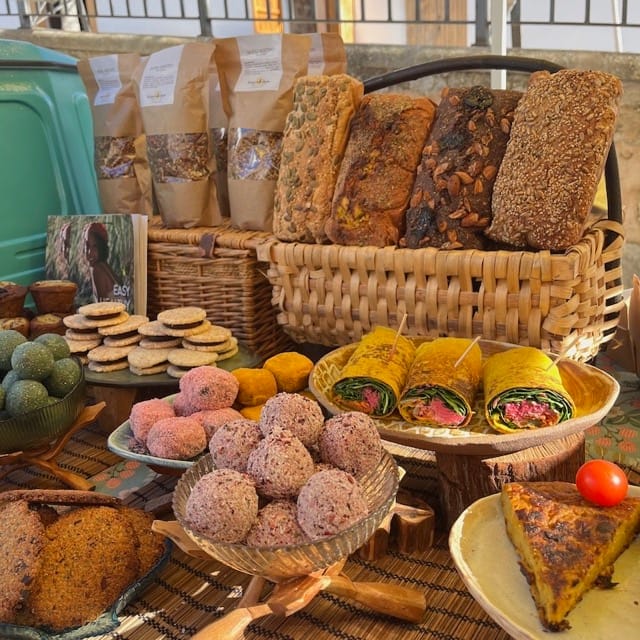
Cristina of Raíces de Ibiza continues to grow xeixa wheat and processes local products into bread, cakes, and other specialities. Her products are available at local markets and through her website. She is part of the Sabors deivissainitiative, which connects local producers across the island.